Sunday, March 27, 2016

포포나무


[성공적인 귀농 : 귀농성공] 포포나무는 블루벨리나 어로니아와는 달리 삽목(줄기번식)이 않되기 때문에 단기간에 퍼지질 않아요그래서 투자하기에 좋아요. 값도 제대로 받을수있죠 종자는 재래종과 개량종이 있어요. 가을에 씨앗을 구입한후에 모래와 함께 땅에 묻아두어 저온저장후에 봄에 파종하면 싹이 잘 나옵니다. 제주도에서 북쪽 강원도까지 품종에 따라서 잘자라며, 농약을 치치 않아도 잘 자랍니다. 열매도 먹도 잎,가지 모두 차로 끊여 먹으면 건강에 좋아요 특히 폐암, 혈관질환 등 효과가 좋아요.

포포나무 종자

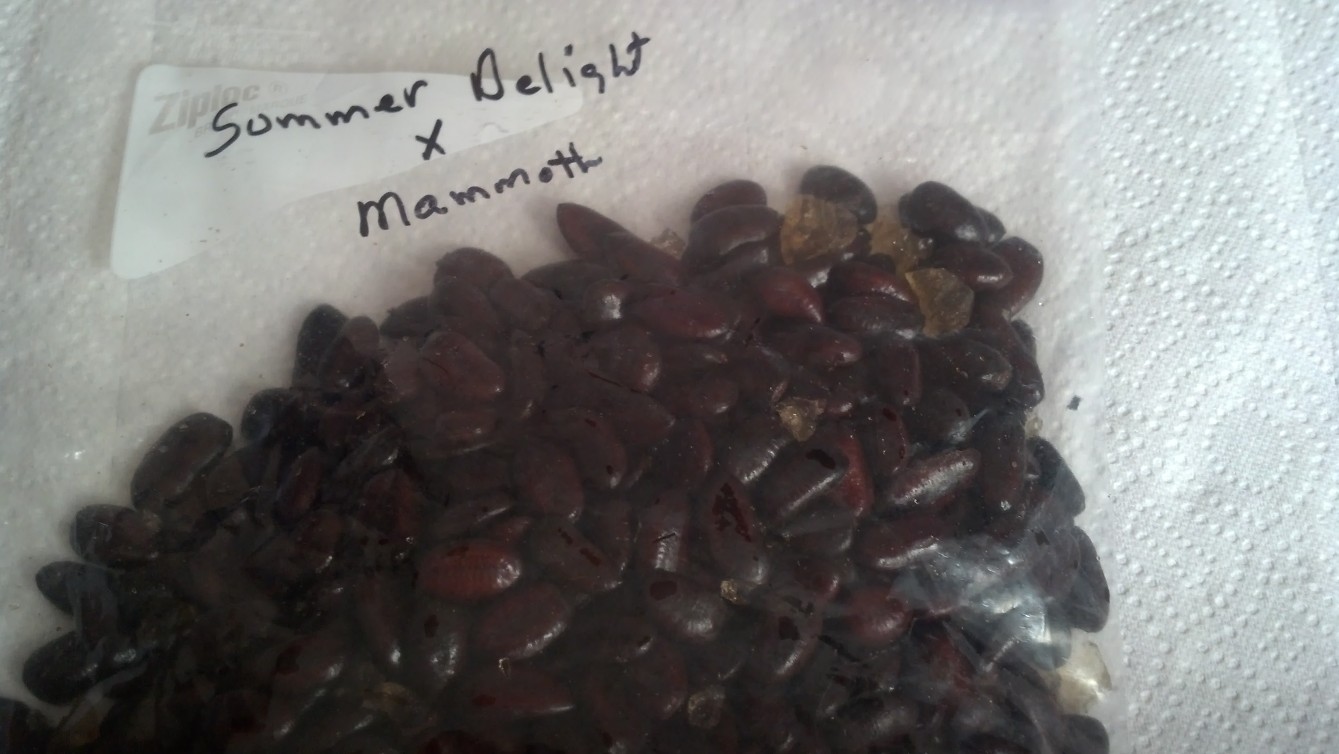
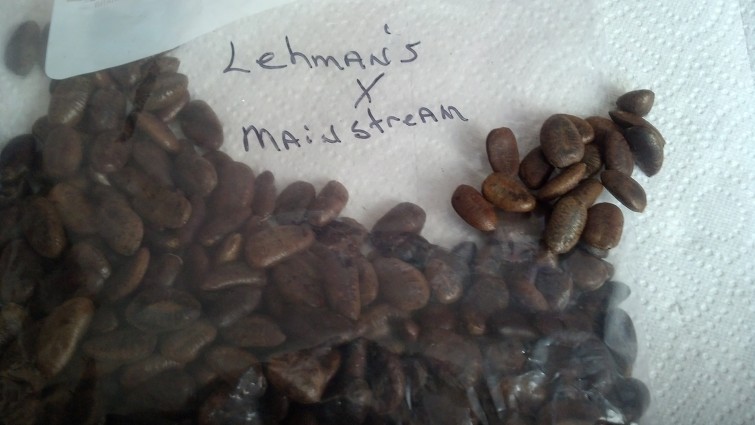
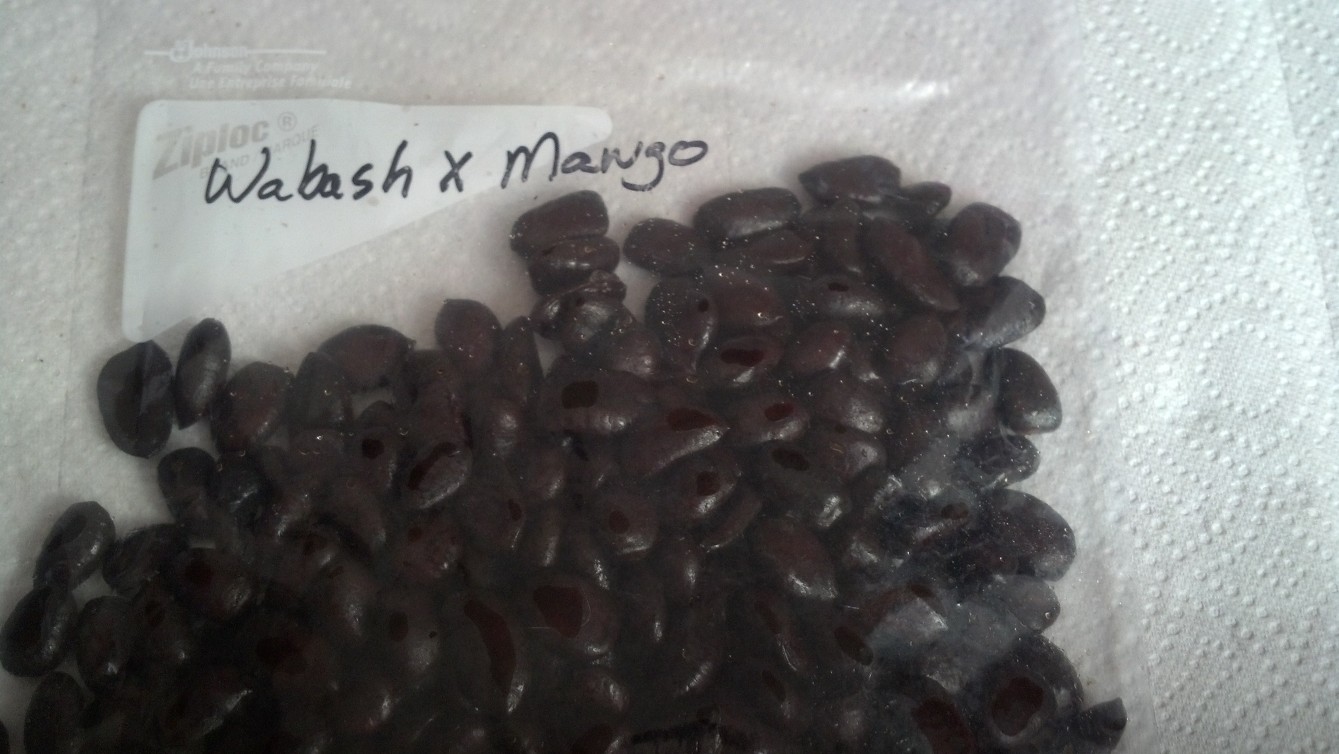
작년에 한국으로 보낸 포포나무 종자입니다. 자세한 문의는 010-4848-9204로 주세요.
이메일은: Aqua3715@gmail.com


Friday, October 16, 2015

Selling Pawpaw Seeds

Selling Pawpaw seeds in America and also to South Korea.
Email me at aqua3715@gmail.com for prices and more info.


 http://www.nuttrees.net/pawpaw_seeds.html

Pawpaw Seeds as a Treatment for Liver Cirrhosis

Info on Pawpaw Seeds

While most people throw them away, papaya seeds are not only edible, small amounts of them in your diet can be surprisingly good for you.
Keep in mind though that chewing half a teaspoon of the seeds is not like eating papaya fruit. They have a strong flavor, more like a cross between mustard and black peppercorns.
If you can handle that, ahead are some of the main health benefits of papaya seeds, followed by some interesting ways to add them to your diet.
Papaya Seeds, Worms and Other Parasitic Infections

Like green papaya, the seeds contain high levels of proteolytic enzymes like papain which can help rid your body of parasites. In the same way that papain breaks down undigested protein waste in your food, it may also break down parasites and their eggs.
Good levels of digestive enzymes in your diet are also believed to help normalize the environment in your intestinal tract, making it less hospitable to worms and other parasites. Enzyme rich green papaya capsules are a simple alternative if you don’t have the fresh fruit available.
The seeds from papaya also contain a unique anthelmintic alkaloid called carpaine that has been shown to be very effective at killing parasitic worms and amoebas. There is much more detail on the human parasite problem and a great tasting smoothie treatment to get rid of them in using papaya seeds for parasites and intestinal worms.
Papaya Seeds as a Treatment for Liver Cirrhosis

Liver cirrhosis is a disease, usually caused by excessive alcohol consumption over many years, wherein the liver shrinks and becomes hardened. In this state it is ineffective at removing toxins from the body, leading to a variety of serious health problems.
Papaya seeds are often reported as an effective treatment for liver cirrhosis. One method is to grind up around five dried seeds in a pepper grinder, or crush up fresh ones in a mortar and pestle, and mix them with a tablespoon of fresh lime juice. Drink this papaya seed treatment down twice a day for a month. Many cirrhosis sufferers have had dramatic improvements with this powerful natural remedy.
Obviously consult your doctor first if you are being treated for cirrhosis of the liver, especially with regards to the papain enzyme that may interfere with medications.
Even for people without such obvious liver damage, a small amount of pawpaw seeds taken regularly is said to help with liver detoxification. And anything that can improve the vital functions of the liver will be likely to improve your health in general.
Another one of the uses of papaya seeds could be to prevent or possibly even treat food poisoning. The seeds of papaya are believed to have a strong antibacterial and anti-inflammatory effect on our digestive systems. Studies have shown an extract made from them is effective at killing E coli, Salmonella, Staph and other dangerous bacterial infections.
Once again, their potent digestive enzymes like papain can help change the intestinal environment to one that is more favorable to the ‘good’ bacteria and less so to the bad ones that can cause so many digestive issues and health problems.
There are even reports of using papaya seeds to successfully treating viral infections such as Dengue fever in parts of Central America like Costa Rica. Obviously this is a serious disease so consult a knowledgeable healthcare professional before using pawpaw seeds if you contract Dengue fever.
Precautions and Warnings

As a precaution, pregnant women should not use papaya seeds or the enzyme rich green papaya. This warning on their use would also extend to breastfeeding.
Additionally, while papaya seeds do have strong anti-parasitic properties, they may be too powerful for young children’s gastrointestinal tracts, so a doctor should be consulted before giving them to infants.
There is also some animal research suggesting that eating papaya seeds may temporarily but greatly reduce a man’s fertility to the point that would make pregnancy unlikely. I’ll leave it up to male readers whether they currently consider that a good or bad thing. There’s a detailed look at the contraceptive potential of papaya seeds for men here if you’re interested.
The side effects and potential warnings for using papaya enzymes on the previous page would also especially apply to papaya seeds as well so keep that in mind if you are currently dealing with any of the health conditions mentioned there.
The benefits of papaya seeds, with their high levels of digestive enzymes, antibacterial, anti-parasitic and liver regenerating properties are powerful. You don’t need many at a time, certainly not a whole fruit’s worth. After you scrape them out of a fresh fruit, it’s best to keep them in a sealed container in the fridge if you’re using them regularly, or in the freezer if only occasionally.
While I do believe fresh papaya seeds are best, in some parts of the USA and Europe buying papaya fruit can be expensive, or they simply aren’t in season for much of the year.
The best alternative I’ve found is this 100% Organic Papaya Seed Powder. I don’t think papaya seed extracts would be as effective as the whole seed and definitely don’t get commercial papaya seeds for planting as they may be treated with chemicals.
I hope this article has helped to spread the word that papaya seeds are edible and potentially good for you in small doses or as specific treatment. The next page will look at how to use papaya seeds for better digestive health, including some unusual ways to add them into your diet.

cited from http://superfoodprofiles.com/health-benefits-papaya-seeds

Pawpaw plating Ways

Climate
The pawpaw is a tree of temperate humid growing zones, requiring warm to hot summers, mild to cold winters, and a minimum of 32 inches (81 cm) of rainfall spread rather evenly throughout the year, with the majority falling in spring and summer. It can be grown successfully in USDA plant hardiness zones 5 (-15o F/-26o C) through 8 (15o F/-9o C). Pawpaws grow wild over a wide range of latitude, from the Gulf Coastal plain to southern Michigan. However, the trees may not receive adequate chilling hours if planted too close to the Gulf Coast. Most named cultivars originated in the Midwest, which is the northern portion of the pawpaw's range. A national regional variety trial is underway to determine which varieties perform best in different parts of the country, and results should become available in the next several years. In the meantime, for best results, choose cultivars that were selected in a climatic zone and latitude similar to the area where they will be planted.
Site, soils, and habitat
Although the pawpaw is capable of fruiting in the shade, optimum yields are obtained in open exposure, with some protection from wind (on account of the large leaves). Germinating seedlings, however, will not survive under those conditions because they are extremely sensitive to full sunlight, which can kill them. (Containerized seedlings may be grown without shade in a greenhouse.) Shading for the first year, and sometimes the second, is normally required outside, and it is for this reason that pawpaws are almost always found in nature as an understory tree. The soil should be slightly acid (pH 5.5-7), deep, fertile, and well-drained. Good drainage is essential to success. Pawpaws will not thrive in heavy soil or waterlogged soil. In habit it is a small tree, seldom taller than 25 feet. Grown in full sun, the pawpaw tree develops a narrowly pyramidal shape with dense, drooping foliage down to the ground level. In the shade it has a more open branching habit with few lower limbs and horizontally held leaves.
Seed Propagation
Pawpaw seed is slow to germinate, but it is not difficult to grow seedlings if certain procedures are followed. Do not allow the seed to freeze or dry out, because this can destroy the immature, dormant embryo. If seeds are dried for 3 days at room temperature, the germination percentage can drop to less than 20%. To break dormancy, the seed must receive a period of cold, moist stratification for 70-100 days. This may be accomplished by sowing the seed late in the fall and letting it overwinter; the seed will germinate the following year in late July to late August. Another way is to stratify the seed in the refrigerator (32o- 40o F/0o- 4o C). In this case the cleaned seed should be stored in a plastic ziplock bag with a little moist sphagnum moss to keep the seed moist and suppress fungal and bacterial growth. After stratification the seed should be sown 1 inch (2.5 cm) deep in a well-aerated soil mix, pH 5.5-7, with an optimum temperature of 75o- 85oF (24o- 29o C). Use tall containers, such as tree pots (ht. 14"-18"/35-45 cm) or root trainers (ht. 10"/25 cm), to accommodate the long taproot. The seed will normally germinate in 2-3 weeks, and the shoot will emerge in about 2 months. Germination ishypogeal: the shoot emerges without any cotyledons. For the first two years, growth is slow as the root system establishes itself, but thereafter it accelerates. Trees normally begin to bear fruit when the saplings reach 6 feet, which usually requires five to eight years.
Vegetative or clonal propagation
Pawpaw clones are easily propagated by a number of grafting and budding techniques, such as whip-and-tongue, cleft, bark inlay, and chip budding. The only method that does not produce good results is T-budding. Softwood and hardwood cuttings have proved virtually impossible to root. Although it is common for a pawpaw to sucker from the roots, propagating a clone by transplanting root suckers is often not successful. Pawpaws are ordinarily quite difficult to transplant. They have fleshy, brittle roots with very few fine hairs. Experimentation has shown that, to be successful, transplantation should be done in the spring at the time that new growth commences, or soon after. (This is basically the same as for magnolia.) If many roots are lost, it may be desirable to prune the top to bring it into balance with the remaining roots. Grafted trees may bear fruit in as few as 3 years.
Purchasing trees
Pawpaw trees available from nurseries are generally either seedlings or grafted named cultivars. Seedling trees are typically one year old at time of purchase, and they are less expensive than grafted trees. Since seedlings are not identical to their parents, fruit quality cannot be guaranteed. Trees that have been grafted to named cultivars are usually 2 years old at time of purchase, and they are more expensive than seedling trees. Since they retain the clonal identity of the parent, fruit quality is assured, given adequate cultural conditions. If fruit production is desired, purchase at least two genetically different trees (i.e. two different cultivars, or at least two seedlings), to ensure that cross pollination can occur. Container-grown trees may have a higher establishment (survival) rate than field-dug trees; pawpaws have a long tap root and delicate root system that can be damaged by digging.
Caring for young trees
When planting trees, allow 8 feet (2.5m) between them. Water newly planted trees immediately after planting, and as needed throughout the growing season. Pawpaw trees require adequate soil moisture, especially in the first two years after planting. Transplant shock may be reduced by providing temporary partial shade to newly planted trees. Application of a balanced fertilizer (20N-20P-20K) every few weeks during the first half of the growing season may also improve growth and establishment of young trees.
Pollination: natural and artificial
Pollination can be a limiting factor in pawpaw fruit set. The flowers are protogynous, meaning that the stigma (the female receptive organ) ripens before the pollen, and is no longer receptive when the pollen is shed. Thus the flower is designed not to be self-pollinated. In addition, pawpaw trees are self-incompatible, usually requiring pollen from a genetically different tree in order to be fertilized. Finally, the natural pollinators of the pawpaw--various species of flies and beetles--are not efficient or dependable. Although it requires a little extra labor, hand pollination to ensure fruit set can be well worth the effort and can be done as follows: Using a small, flexible artist's brush, transfer a quantity of fresh pollen from the anthers of the flower of one clone to the ripe stigma of the flower of another clone. Pollen is ripe when the little ball of anthers is brown in color, loose and friable; pollen grains appear as yellow dust on the brush hairs. The stigma is ripe when the tips of the pistils are green and glossy, and the anther ball is still hard and green. Do not overburden the tree with fruit, as this will stress the tree, resulting in smaller than normal fruit, and may cause limbs to break under excessive weight.
Pests

In its native habitat the pawpaw has few pests of any importance. The worst pest is Talponia plummeriana, the pawpaw peduncle borer, a small moth larva (about 5 mm long) that burrows into the fleshy tissues of the flower, causing the flower to wither and drop. In some years this borer is capable of destroying the majority of blossoms. Another pest is Eurytides marcellus, the zebra swallowtail butterfly, whose larvae feed exclusively on young pawpaw foliage, but never in great numbers. The adult butterfly is of such great beauty that this should be thought more a blessing than a curse. Sometimes the fruit surface may be covered with patches that are hard and black; this is a fungus infection, but it seldom has any effect on flavor or edibility. Deer will not eat the leaves or twigs, but they will eat fruit that has dropped on the ground. Male deer occasionally damage trees by rubbing their antlers on them in winter. Outside its native region, the pawpaw is sometimes reported to be plagued by pests, but this may be because of poor tree health resulting from the stress of improper soils and an unsuitable climate.

Cited from http://www.pawpaw.kysu.edu/pawpaw/ppg.htm

Tuesday, October 13, 2015

Pawpaw Seeds on Sale

Selling Pawpaw seeds to Korea and in America.
Email me at Aqua3715@gmail.com for prices and more info.